Thursday, August 1, 2024


How to restore oral microbiome

  • The 4 Step Oral Microbiome Restoration Process
  • The Role of Biological Dental Hygiene Care
  • Importance of Restoring Good Oral Biofilm

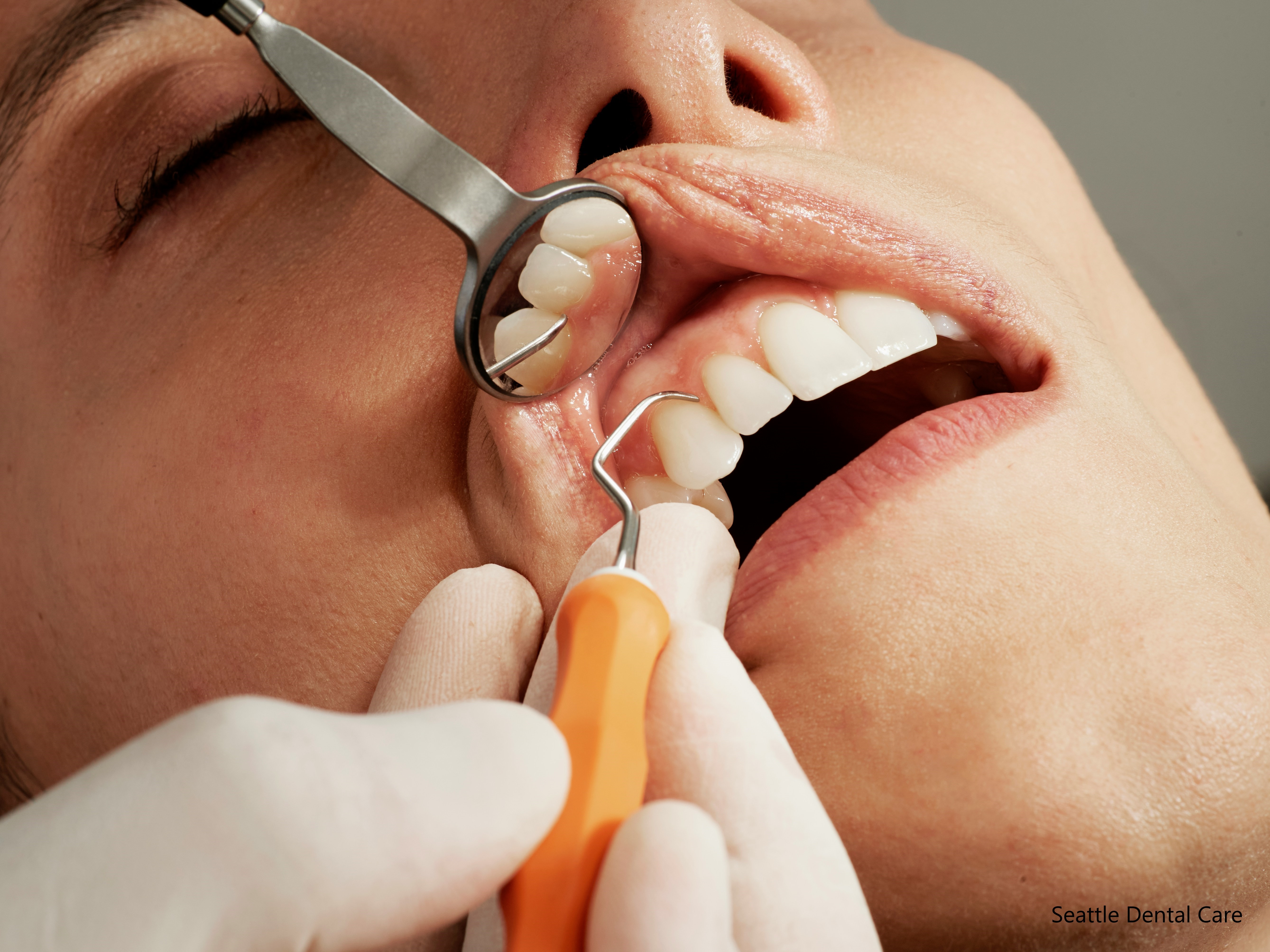
Being informed of gum disease or deep pockets may indicate an imbalance in your oral microbiome. While some dentists focus solely on removing superficial calculus by perforoming deep cleaning, addressing the root cause and restoring the healthy oral microbiome may be overlooked.

The 4 Step Oral Microbiome Restoration Process

  1. Pre-Disinfection: Before starting the procedure, thorough disinfection of the treatment area is essential. This step helps prevent the spread of bacteria and sets the stage for effective cleaning.
  2. 5-step cleansing: Using specialized hand and ultrasonic instruments, our biological hygienist will remove plaque and tartar from tooth surfaces and beneath the gum line. This step eliminates buildup that contributes to gum disease. After scaling, the roots of the teeth are smoothed (planed) to remove remaining bacteria and toxins. This process promotes gum reattachment and helps prevent future plaque buildup.
  3. Post-Disinfection: Post disinfection will follow once the 5 step cleaning process is completed to ensure any remaining bacteria or infections are neutralized. This step is crucial for reducing infection risk and supporting healing.
  4. Oral Microbiome Restoration: Finally, the focus shifts to restoring your healthy oral microbiome balance with good bacteria.

Our team have designed a special protocol to target the periodontitis where we not only target the calculus but also the root cause, the bacteria that is causing the infection.

The Role of Biological Dental Hygiene Care

Biological dental hygiene care emphasizes the importance of maintaining a healthy oral ecosystem. It acknowledges that not all bacteria are harmful and aims to restore and preserve a balanced oral biofilm. This approach promotes:

  1. Natural Defenses: Supporting beneficial bacteria helps maintain natural defenses against harmful pathogens.
  2. Overall Health: A balanced oral microbiome contributes to overall health, potentially reducing the risk of systemic diseases linked to oral health issues.
  3. Long-Term Stability: By preserving a healthy oral biofilm, biological dental hygiene care promotes long-term oral stability and reduces the need for aggressive interventions.

Importance of Restoring Good Oral Biofilm

Restoring a healthy oral biofilm after deep cleaning is crucial for maintaining oral health. A balanced biofilm:

  1. Protects Against Disease: It acts as a protective barrier against harmful bacteria, reducing the risk of gum disease and tooth decay.
  2. Supports Healing: A healthy biofilm environment supports tissue healing after dental procedures, promoting faster recovery.
  3. Enhances Oral Freshness: A balanced biofilm contributes to fresher breath and a clean-feeling mouth.

Scaling and root planning is advised for patients diagnosed with periodontal disease. When you or your loved one is recommended for scaling and root planning due to by periodontal disease, every step—from pre-disinfection through post-disinfection and oral microbiome restoration—plays a crucial role in preserving a healthy oral environment. Removing the tartar buildup is important but treating the root cause and restoring a balanced oral biofilm can significantly contribute to your overall well-being and confidence in your smile.

At Seattle Dental Care, our commitment to holistic dentistry ensures that our patients receive comprehensive, effective, and natural care for their gum health. By going beyond just scraping, we help our patients achieve a healthy, balanced mouth and a better quality of life.

Thursday, April 4, 2024

holistic dentist biological dentist near me non invasive periodontal disease


Treat Periodontal Disease with a Holistic Dentist

Holistic dentistry offers a comprehensive approach to treating periodontal disease. Holistic and biological dentists emphasize the body's natural healing abilities, utilizing the least possible invasive treatments, and the connection between oral health and overall well-being. So, how does a holistic dentist treat periodontal disease differently?

Our team focuses on three steps:

  • Analyze the underlying issue.
  • Personalize a treatment that targets the root cause, not just band-aid the symptoms.
  • Evaluate, monitor the progress, and modify to yield successful treatment

Periodontal disease, commonly referred to as gum disease, is a pervasive dental issue affecting millions worldwide. It is characterized by inflammation and infection of the gums, which, if left untreated, can lead to tooth loss and other serious health complications.

Step 1: Analyzing the Problem

The cornerstone of holistic dentistry's approach to treating periodontal disease lies in its thorough diagnostic processes. Understanding the underlying issue of an individual's condition is crucial. This is achieved through:

Oral Microbiome Study: The oral microbiome plays a pivotal role in oral health. Analyzing the specific composition of bacteria in the mouth can reveal underlying causes of periodontal disease and guide the development of targeted treatment plans. This allows us to target the area of concern, hence providing patients with effective, personalized, and less invasive treatment.

Saliva Testing: Saliva testing is another essential diagnostic tool. It can provide insights into the acidity of saliva, offering valuable information on your ability to remineralize the teeth.

Periodontal Measurement: Measuring the depth of the gum pockets around the teeth is a direct method of assessing the severity of periodontal disease. It helps in determining the extent of the damage and the progression of the condition.

Step 2: Personalizing the Treatment

With a comprehensive understanding of the patient's oral health status, holistic dentists can craft personalized treatment plans. These plans are not only aimed at treating periodontal disease but also at promoting overall health and preventing future occurrences.

Treatment may include:

Laser Therapy: Utilizing cutting-edge laser technology, this non-invasive treatment helps remove the infection in gum tissue, promotes the regeneration of healthy gums, and roughens the surfaces of the teeth to allow gum tissue reattachment. It offers the advantages of reduced discomfort and faster healing times compared to traditional surgery.

Perio Protect: An innovative method that involves custom-fitted trays to deliver medication directly to the gums. This treatment is designed to manage the bacteria causing periodontal disease, offering a non-invasive and effective solution.

The treatment plan is tailored based on the individual's specific needs, considering factors such as the severity of the disease, the patient's overall health, and their lifestyle.

Step 3: Evaluating and Monitoring Progression

The holistic approach to periodontal disease treatment extends beyond the immediate procedure. Continuous evaluation and monitoring are vital to ensure the disease is being effectively managed and to adjust the treatment plan as necessary. This includes:

Regular Follow-ups: Scheduled visits to the holistic dentist allow for ongoing assessment of gum health and the effectiveness of the treatment plan.

Modifying At-Home Care: Empowering patients with knowledge and tools to maintain oral health at home is key. This may involve adjusting daily oral hygiene practices, dietary changes, and natural remedies to support gum health.

Monitoring Overall Health: Since holistic dentistry recognizes the link between oral health and general well-being, monitoring the patient's overall health is an integral part of the treatment process. This holistic perspective ensures that care is not only focused on the mouth but also considers the health of the entire body.

Treating periodontal disease with a holistic dentist involves a comprehensive approach that starts with a thorough analysis, follows through with personalized, innovative treatments, and ensures long-term success through continuous monitoring and care adjustments. This method not only addresses the immediate concerns of periodontal disease but also contributes to the patient's overall health and wellness, aligning with the holistic principle that the body is an interconnected system, and health should be approached in a comprehensive manner.

Selecting Seattle Dental Care – Biological Dental Care as your holistic dentist means you're opting for a dedicated team committed to accompanying you on your path to oral healing. Our commitment to your health extends beyond your appointments. We offer continuous support from post-operative care to your recovery process. If you're ready to experience the best biological dentistry, please contact holistic dentist Seattle at (206) 728-1330 or visit us at www.seattledentalcare.com. We will be happy to guide you further.

Friday, March 31, 2023


6 Mistakes You Make When Brushing Teeth

This week's blog is a special request from Phoebe with her personal experience. "I (Phoebe) have always thought there is no "proper" technique when it comes to brushing my teeth. All my life, I have been brushing my teeth using a firm toothbrush, with more than enough strength thinking brushing harder will remove all the buildup. Boy was I wrong! Not only I was brushing and flossing incorrectly, but using the wrong toothbrush. It was not until a few years ago, that I was corrected on my brushing technique. I realized then I may not be the only one who is accustomed to incorrect brushing and flossing."Upon Phoebe's request, we have researched some common mistakes patients make when it comes to brushing their teeth.

1. Using the wrong toothbrush.  Hard or firm bristled toothbrushes can wear away the tooth enamel, which cannot regrow. This will result in vulnerability to bacterial infection which may result in tooth decay.
2. Brushing too hard. Exerting too much pressure does not mean you are removing extra plaque or calculus, however, it may wear down your enamel and may result in gum recession.
3. Not brushing long enough. It is recommended to brush your teeth for 2 minutes to remove a decent amount of plaque.
4. Forgetting to floss. Brushing may remove the plaque and food debris from the front & back of the tooth, however, without proper flossing, there is still infection-causing plaque remaining in between the teeth, which we call interdental space.
5. Forgetting to clean your tongue. Your tongue can trap various bacteria, leading to bad breath, and teeth & gum infections. After brushing your teeth, remember to clean your tongue using your toothbrush or a tongue cleaner.
6. Using the wrong toothpaste. Each patient is built differently. A toothpaste that works for one person may not be a suitable choice for others. It is recommended to ask your dentist what type of toothpaste will be best for you based on your oral microbiome.

At Seattle Dental Care, our holistic dentists routinely monitor your oral microbiome as well as pH level and recommend a home care regimen personalized to your health. We will also review brushing and flossing techniques, during your dental visits. If you have any questions or would like to learn more about your oral microbiome, contact us.  contact holistic dentist Seattle WA 
at (206) 728-1330 or visit us at 2107 Elliott Ave Ste 210, Seattle, WA 98121. We will be happy to guide you further.

Monday, February 20, 2023


Is there a natural antibiotic? 
Yes, there is! It's called Ozone. 
Ozone is made of Oxygen - something we breath in.

Ozone Therapy has antifungal, antiviral, antibacterial properties, and promotes blood circulation.
At Seattle Dental Care, each treatment will follow ozone therapy to ensure the treatment site is clean, and disinfected without chemicals and toxins, and your body is ready for optimal healing.

To learn more, visit www.seattledentalcare.com or contact us via phone or email.

Monday, August 12, 2013

New Platform for Blogging

Good morning.

We wanted to inform everyone who regularly reads our blog that we've changed the way we will be posting. We will no longer be using Blogger as our platform to post, but rather we will now directly post everything to our new website. This consolidates everything into one place so that it is easy and effective for our patients and friends to find the information they need without having to search in 2 different places. Any information that you have read on this blog has been moved over to the website, so no information will be lost.

Please visit our new website www.seattledentalcare.com and click on the "Blog" tab. You can easily view our blog from there.

Thank you,
Dr. Richard Stickney DDS

Monday, June 24, 2013

Ceramic Implants- What's the Benefit?

Hello!

Today lets discuss a trending topic.. Ceramic Implants.

What is an Implant?

First of all, an implant is an artificial tooth root that anchors into the bone and acts as a tooth. Implants have only been around in the dental field for around 25 years or so, and the technology has come a long way since then. For many years we've been working with titanium dental implants, but the newest technology is pointing to all-ceramic dental implants.

Titanium vs. Zirconia Dental Implants:

Titanium is a strong metal, but as with most metals, it suffers corrosion. Corrosion is a gradual process of deterioration and happens when the metal reacts with the electrolytic environment in the human body. When the titanium is exposed to fluid or air, it develops a layer of titanium dioxide and forms a boundary between the metal and the body. Over time, the integrity of the titanium becomes weaker and weaker. The titanium implants also have two parts to them and thus have a prosthetic connection, which poses a weak spot for bacterial growth and possible gum irritation. Although titanium allergies are rare, metal sensitivities are not. This can pose a problem to the surrounding gum tissue and cause peri-implantitis, which affects the soft gum tissue as well as the surrounding bone and can cause the implant to fail.


Ceramic (or Zirconia) implants are all white and mimic the actual color of root structure. This is important for aesthetic purposes. If the gums were to recede at all after the implant was placed, there would be no grey line at the gingival margin of the crown. This gives the tooth a more natural look. With ceramic, the implant comes in one piece so there is no connection between the implant and the abutment, thus eliminating a weak area for bacterial growth. Ceramic is inert, non-corrosive and non-allergenic and easily accepted by the body. Since zirconia is a poor electrical conductor, it is able to withstand changes in temperature, from hot to cold, without corrosion, so the longevity and durability of ceramic is better than titanium in many cases.


If you are interested in knowing more about ceramic implants and how we are working with them in our office, give us a call at (206)-728-1330.

Be well,
Richard Stickney DDS PS

Monday, June 10, 2013

Avoiding Root Canals

Hello!

This week we wanted to discuss root canals. The best root canal is the one that never has to happen. But at times, they are necessary and we wanted to share with you what a root canal involves and how you could avoid needing one.

First of all, what is a root canal?


Here is an example of what the different parts of the tooth look like.
  • The enamel of the tooth is the hardest substance in the body and is like a protective shell over the tooth.
  • The dentin is the inner layer of the tooth and is not as strong as enamel.
  • The pulp chamber contains nerves and blood vessels
  • The root canal is the channel that supplies the tooth with nutrition by bringing blood vessels and nerves into the pulp chamber
The blood vessels and nerves bring the tooth needed nutrition and provide the tooth with feeling. At times bacteria can invade the tooth and the decay process begins. Once bacteria has gotten through the tough layer of enamel, the decay can progress much more rapidly. Decay that has reached the pulp chamber, will cause it to become infected and over time will die. If the infection remains in the tooth for a length of time, it will eventually make its way to the apex of the tooth, or the end of the tooth, and the infection will begin effecting the surrounding bone. Once the nerve has died, you cannot revive it. At this point a root canal or tooth extraction may be recommended.

absess.JPG
Here is an example. You can see at the end of the root on the middle tooth there is a dark shadow. That is the infection. Because decay and infection are less dense than healthy tooth structure, it shows up darker on an x-ray.

The process of having a root canal done goes like this:
  • An access point is drilled into the top of the tooth to get to the pulp chamber.
  • The entry point for each canal is located.
  • Files and irrigation are used to remove pulp and infection from each of the canals.
  • Canals are sealed with gutta percha, a rubbery material that protects the inside of the tooth.
X-rays are taken throughout this process to ensure that all the pulp and bacteria have been removed and we've reached the apex of the tooth. A final x-ray is taken to be sure the tooth is completely sealed. And in our office, we use our dental laser to disinfect and kill bacteria as well.


There are microscopic tubules that make up the structure of the dentin. Bacteria from the pulp can reside and remain in the tubules and with traditional root canal therapy, it is very difficult, if not impossible to remove all bacteria from them. But with the use of our dental laser and a special tip designed for root canals, we are able to kill 99.7% of bacteria remaining. This is a benefit to the patient and the dentist.


(A microscopic view of the dental tubules)


How can I avoid needing a root canal or loss of a tooth?

The need for a root canal can be prevented with a few simple steps.
  • Keeping your teeth clean. This one seems like a no brainer, but its probably the easiest way to prevent root canals. You can prevent cavities from developing by brushing and flossing your teeth every day.
  • Regular bi-yearly visits to the dentist. At your dental visits all your teeth are checked for decay or trauma. Using a dental explorer and taking yearly x-rays we are able to detect decay as early as possible. When we can catch a cavity early, we reduce the amount of drilling, and prevent the decay from getting close to the pulp.
  • Avoid trauma. Trauma to a tooth can cause the pulp to swell up and become inflamed. When this occurs inside the hard casing of the tooth, the swelling has no where to go, the access to the canals become cut off and the needed blood supply and oxygen cannot nourish the tooth and will cause the pulp to die. Trauma can be caused by a hit to the face or teeth, over drilling, or a bad bite.
  • Regular regiment of anti-inflammatories. Supplements such as Vitamin C, Curcumin, and Fish Oil, are all used as anti-inflammatories. If you regularly take nutritional supplements, you reduce your risk of inflammation not only in your whole body, but also in the tooth, thus promoting healthy blood flow to each of your teeth.
  • Cut back on sugar. Certain oral bacteria feed on sugar and excrete acid as a result. This acid breaks down the tough enamel layer of the tooth over time and causes decay. Such sugary items as carbonated beverages, sports drinks, sticky candies, and refined carbohydrates are all culprits in our diets that feed cavity causing bacteria. If you cannot cut these out completely, reducing the amount you take in will reduce the chances of caries, and the need to tooth removal or root canals.

For more information on Root Canals or other Frequently Ask Questions, please check out our new and redesigned website! Seattledentalcare.com

To your health,
Richard Stickney DDS PS

Monday, June 3, 2013

Help For TMJ

Good morning!

This post comes from a nice experience we had with our newest laser, the Biolase Epic, with one of our very own employees. Last Wednesday one of  my assistants, Katlyn, came to me and had a complaint about a TMJ issue. She said the muscle felt painful and she could barely open her mouth wide enough to eat, even feeling discomfort up into her ear. This was troubling to me, but I explained that moist heat along with some anti-inflammatory would help alleviate that discomfort. I also suggested to her that she try our new laser on the area for a few days and see how that would help. By the next day, her pain was virtually gone.

So how does this laser work?
The Biolase Epic puts out pulses of diode laser energy into the tissue followed by "down time" to allow the tissue to respond favorably. This laser provides temporary relief of minor pain. In this case, it helped relax that tense muscle that were causing her to feel pain and allowed her to eat and chew normally without any further discomfort. Again, this is a temporary relief of minor pain so along with further laser treatment, I recommend stretching and relaxation exercises so that in the future, it won't be as much of a problem.

We love to see positive results with treatments that we do, and we always appreciate any and all feedback on our laser procedures as well. We were very pleased to see such an immediate good result on this laser treatment, and will be using it more in the future for our TMJ patients. For more information about the lasers we use in our office, please visit our new website under "Laser Dentistry".

I hope you are all doing well,
Richard Stickney DDS PS

Tuesday, May 28, 2013

Out With the Old, In With the New!

Good afternoon everyone!

We wanted to dedicate this week's blog post to an exciting new announcement. We've spent a number of months working on reconstructing and completely updating our website!

Our web address is still the same: seattledentalcare.com but when you visit the new site, you'll find it is much easier to navigate, and there are a number of new and exciting features. Let me explain them to you.

1. Updated Information. On our previous website, it was not easy to update and change our information when we would add new procedures or techniques. With our new website engineer, we are able to make changes as we see fit and easily update our information when we need to. This ensures that when you read information and articles on the website, that they are as up to date and accurate as possible.

2. Navigation. We've condensed our information down to a few different dental categories such as: cosmetic, restorative, preventative, periodontal and laser dentistry. From these drop down lists you can read about all the different things we do in the office under each category. This will make finding the information YOU want to read about much easier.

3. Frequently Asked Questions. Everyone has questions they want to know about, and sometimes finding the answers is not as easy as they'd like. We've come up with a list of questions we thought were important to ask and answered them for you on one easy page. The great thing about this is that we will be updating these questions and answers so that you'll always be in the know.

4. Search Feature. On the top right hand side of every page there is a search bar. If you wanted to know more about a certain topic but don't want to look through other pages to find it, our search feature will allow you to type in a key word and it will pull up a list of pages where that word is used, including our blog posts. This will also make finding the information YOU want to read about much easier.

5. Photo Tour. For those people looking for a new dentist and checking out websites, we've added a photo tour. This is a nice feature for those who are visual and like to know what a place is like before they get there. We've not only taken photos of the actual office, but the surrounding areas, Pikes Place Market, the pier, etc.

6. Meet the Team. We've added a "Meet the Team" section to the website so that you can get to know us a little bit better.

We really wanted to do this new site in order to help our current and future patients get to know us better and provide a good place to visit if you want to learn more about how we practice holistic and natural dentistry while implementing the newest technology and techniques. Please check back regularly, as we will be updating the website more often. We are also excited to know what you think about it. We would love to hear any and all feedback on the new website so that we can continue to serve you in the best and most effective ways!

Be well,
Richard Stickney DDS PS

Monday, May 13, 2013

Safest Way to Whiten Teeth

What is the safest way to avoid chemicals when I whiten my teeth? 


Many patients who are chemically sensitive or who are concerned about swallowing or absorbing the chemicals in the gel still want their teeth whiter. In my opinion the safest way to whiten teeth is in-office using rubber dam and laser. During this method, we apply a rubber dam material around the individual teeth. This isolates the teeth from the rest of the mouth. Then we apply a gel whitening agent to the teeth and activate it with our Epic laser. The process is fairly rapid. The teeth get whiter and  none of the whitening gel gets into your saliva. This method is rapid, easy and the safest way to avoid the chemicals in the at home gels.
With other types of whitening, such as the trays or drug store products some of the gel mixes with saliva.  and is absorbed through the mucous membranes of the mouth or swallowed. I personally avoid chemicals in tooth paste or mouthwash because of my concerns about potential toxicity of sensitivity to the chemicals. 
Be well,
Richard Stickney DDS PS

Tuesday, April 30, 2013

For Your Comfort

What can we do to make you most comfortable?

We ask this question on our intake form. The most common response is: EXPLAIN WHAT YOU ARE GOING TO DO. When I look for a person to help me with any aspect of my life I want them to listen to me and then based on my needs and wants help me find a solution to my issue. My practice philosophy evolved out of what I want for myself in my relationships. I want to feel listened to and understood and I want to understand the reasons why a recommendation is being made. In every interaction with our patients, that is our goal. When examination or treatment is being done we want to tailor it to each individual person. We welcome feedback. If we can do something to make you more comfortable please ask. We will take the time to help you understand what is ideal and optimal for your dental condition and if you want other alternatives to explain them to you.

Be well,
Richard Stickney DDS PS

Thursday, April 25, 2013

Don't Do It!

Good afternoon!

Here's a little bit of advice, in case this ever happens. If you have a painful tooth or swollen gum don't ever do this:

Do not put heat on the outside of the face. Do not use a heating pad of hot towel. It might feel comforting but it can draw infection out of the tooth or gum and cause a severe wound on the outside of the face or neck. Any time you have pain or swelling in the mouth it is best to have it evaluated by a dentist. Sometimes the problem is minor and easily remedied and other times having it looked at early can save you a lot of time and money as well as preserve more of your tooth or gum tissue. If you cannot get in to the dental office right away, warm salt rinsing is a safe bet. Use one teaspoon of salt to 8 ounces of warm water. Then see your dentist as soon as you can. The old adage "better safe than sorry" applies to pain or swelling in the mouth.
Be well!
Richard Stickney DDS PS

Monday, April 8, 2013

Sterilization

Hello,

Today we wanted to discuss a topic that may be on the minds of some people. Recently, articles have been published about an oral surgeon in Oklahoma who has not been following state regulation on sterilization and anesthesia. This put thousands of patients at risk for contracting Hepatitis B and C, as well as HIV, the virus that causes AIDS. Upon inspection of his two practices, they've discovered that he was using rusty instruments, reusing needles, and potentially contaminated drug vials. Beyond that, they were not properly using the machine used to sterilize instruments, and it hadn't been tested in over 6 years. His practice is currently under investigation.

But we are not here to scare you, rather, we wish to put your mind at ease. In my practice, we take sterilization very seriously. We even have one employee whose specific job is to sterilize and clean all of our instruments and make sure they are all in good condition, although each of us knows how to do it. Ashley cleans all the rooms after each patient and makes sure each step in the sterilization process is done correctly, from using our ultrasonic (which uses sonic energy, as well as a cleaning solution to break up any debris left on instruments) to the autoclave (which is a steam powered sterilization machine, that kills any remaining bacteria and viruses). Each week we have our autoclave tested to make sure it is doing it's job properly. We also use a cold sterilization process which uses a chemical "bath" to soak certain instruments that cannot go into the autoclave and we leave them in for 12 hours for proper sterilization. Disposable needles are the only kind of needles for anesthesia we have in the office, and when the needle has been used on a patient, we have a sharps container that we put them in so they can never be reused. In addition, at the end of every week we run cleaning solutions through our suction lines and water lines and leave them over the weekend to ensure a proper and clean environment. We have 3 filters in the office that are there to kill airborne bacteria and viruses as well to protect you and us. In 2003 the CDC established infection control regulations for dental practices which covers rules about hand washing, proper glove changing, and sterilization of instruments, but inspections are left up to each individual state. We are sure to follow these rules and regulations.

In every way we are trying to protect our patients. As well, each employee in the office has had OSHA training to ensure that we also know how to protect ourselves. This requires us to wear proper PPE (personal protective equipment), which includes a lab coat, gloves, mask, and protective eye-wear. All licensed individuals (dentists, hygienists, dental assistants) must take an 8 hour course on HIV/AIDS as well to become licensed through the state of Washington. In addition, every year we review proper handling of instruments, needles, inspection of all equipment, and we go over proper procedure when exposure has occurred.

To your health,
Richard Stickney DDS PS

Wednesday, March 27, 2013

Composites: A Technique Sensitive Procedure

Hello!

My team and I went to a dental seminar this past Friday and I wanted to share a few of the things we learned with all of you!

One of the interesting things we heard was that people are living longer. In the early 1900s men were only living an average of 45-50 years, and women 50-55 years. Back then, it didn't matter as much that dental restorations lasted only a short time. Now, a hundred years later in the 2000s, men and women are living well into their 80s and 90s, so our approach to dentistry has changed dramatically and we want our restorations to be lasting a long time.

There is only so many times you can drill on a tooth before the tooth is compromised. With that statement in mind, we want to be as minimally invasive as possible to preserve as much natural tooth structure so that the tooth will last a long time. Interestingly though, on average, composite restorations only last about 5 years, and bridges only 8 years! There is something very wrong with those numbers. Lets say at 25 you get a 2-3 surface filling and by 30, that filling has failed and you are now treatment planned for a 3-4 surface onlay. Now lets say that onlay lasts about 15 years and you are now 45, but the onlay needs to be replaced by a build up and a crown. On average crowns can last 15-20 years so at best that crown lasts until you are 65. But now what? Did that tooth reach its 85th birthday? Doesn't look like it.

Composites are technique sensitive, they require a lot more attention to detail and a lot more time than you might imagine. The bonding process is extremely critical, as well as the type of curing light and filling materials used. If a tooth's first dental treatment is a filling, we want that filling to last much more than 5 years. A composite can potentially last a patient 15+ years if it is done right! That's a huge difference.

Every time you get dental work done, the hole gets bigger and bigger and more tooth structure needs to be drilled away. The last steps at saving a tooth include crowns and root canals. Once those have failed, the tooth often needs to be extracted. But with each of these steps from composites all the way to crowns and root canals, you can prolong the life of your restorations by good homecare and regular visits to the dentist. And if the work is done right the first time, you will get the maximum longevity and lifespan out of your dental restorations. Many of our patients have followed this approach and have their teeth well into their 80s and 90s. When patients lose teeth and must go to dentures, they lose about 80% of their ability to chew food, so the quality of life can go down.

Much of the seminar was a refresher for my team and I, as I have been practicing these techniques for some time now. As always though there were a few new things we will be implementing into our composite routine so that our patients are getting a lot of life out of their composites and that their own teeth get to reach their 85th birthdays! And as always, I want to preserve as much natural tooth structure as possible and use a minimally invasive approach to all aspects of dentistry in my practice.

Be well,
Richard Stickney DDS PS

Thursday, March 7, 2013

Bana Testing, What Is It?

BANA Testing

Good afternoon all!

This week's blog post is going to be about a new test we are doing in the office that will help us with periodontal cases. It's called a BANA test.

What is a BANA test?

The BANA test is a quick test that helps us determine whether a patient has any or all of the three most common and riskiest pathogenic bacteria called "red complex bacteria", Treponema denticola, Porphyromonas gingivalis and Bacteroides forsythias. These three bacteria are directly associated with periodontal disease in adults. The test is as sensitive as expensive DNA tests, though despite its accuracy it is also amazingly simple to use.

How does it work?

All this test requires is a very small sample of plaque from a pocket. We lightly smear this sample onto a small test strip that has a specific enzyme on it that reacts with red complex bacteria. We then put this test strip into an incubator for 5 minutes (yes only 5 minutes!) and when it comes out, if any of the 3 bacteria are present, the sample will have changed to a blue color. This test is easy, fast and inexpensive to do!

We are always looking for ways to better help and treat our patients. With some of these new tests we are able to better know how to treat periodontal disease and get our patients back to optimal health! If you have any further questions, please feel free to ask!

Be well.
Richard Stickney DDS PS

Monday, February 25, 2013

Romeo et Juliette Ballet

Good afternoon!

A couple weeks ago, the team and I went to see one of our favorite patients perform with the Pacific Northwest Ballet in it's rendition of Romeo and Juliet! What a wonderful time we had and how special it was for each of us to see one of our patients preform so beautifully as the lead, Juliet!

Many of you know the story of Romeo and Juliet, two young people who fall in love, despite the conflicts between their families, the Montague's and the Capulet's. Although a tragic story, it was beautifully portrayed. What made this story different was that the men and women in the ballet did not use words to tell the story, they used dance. The set was simple, yet the costumes elaborate. The emotions were clearly expressed on the faces of the dancers, and you could tell how hard these people worked on making it perfect. Not one move was out of place. 

For much of our staff, this was the first time at the ballet but each of them expressed how much they enjoyed being able to go and how exciting it was so see one of our patients and friends perform so gracefully and beautifully. We look forward to seeing her perform again in the near future, but for now, the PNB is headed to New York City to perform Romeo et Juliette there!

Here's a shot from the night of the staff and my wife and I!

 (From right to left: Kendra, Ashley, Annika, Kristin, Carol, Me and Katlyn)

Well wishes,
Richard Stickney DDS PS

Monday, February 18, 2013

What Holistic Means To Our Practice

What is Holistic?


There is no dental school that teaches “holistic dentistry”. You could substitute the words biological, integrative, natural, whole person, wellness and longevity and they could all fit. To me, holistic means taking a broader perspective, knowing your patient and what they want. It means working with people who share a common mission and purpose. Recognizing that what works with one person might not work for the next. Listening to what they have to say and honoring it. Striving to love people and help them heal via dentistry. Being holistic and natural also involves avoiding drugs and surgery when possible, caring for the teeth and tissue of the mouth as if they were your own. Everything matters in this type of dentistry. The most bio-compatable dental materials, filtered air and water, and most of all a great team of caring people. Everything matters. These principles have taught me to work slower but more effectively, preserving and protecting what nature has given the patient. I do my very best for each person I come in contact with. I strive to do the least invasive, longest acting and least toxic treatments that I possibly can, doing so with love and kindness. To me, this is holistic dentistry.

Wishing all of you well,
Richard Stickney DDS PS